What makes a scientist? Exploring STEM accessibility and scientific literacy
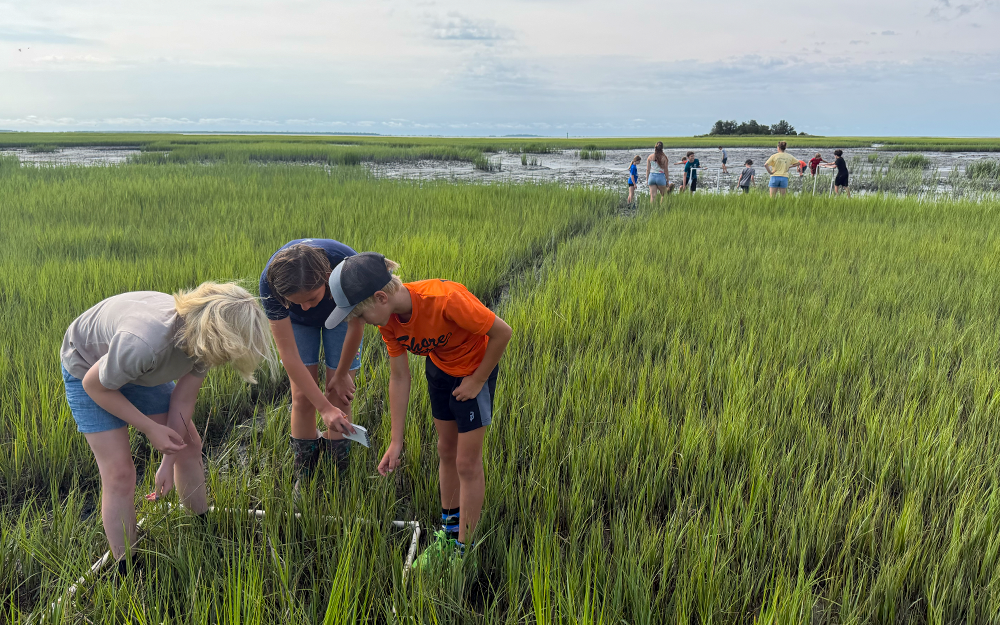
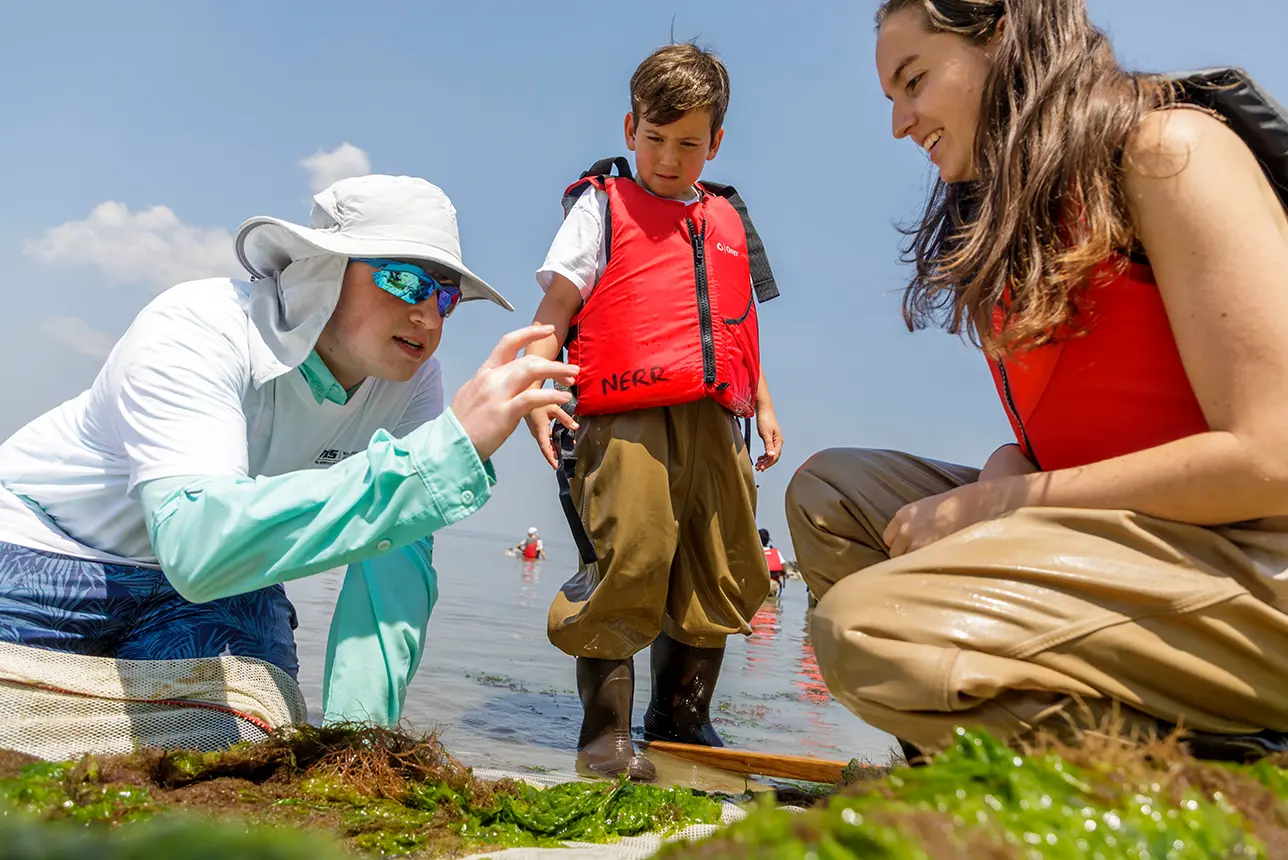
VIMS & Batten School campers conducting quadrat survey research. Photo by Ethan Smith.

Science education is about more than memorizing facts, though it’s always fun to have a few in your back pocket to share on a beach day. Did you know that shark skin is covered in teeth? Called dermal denticles, they’re practically identical to real teeth!

Beyond the act of teaching, STEM (Science, Technology, Engineering and Math) education is about helping people apply a scientific mindset to the world around them. In short, it’s about awakening the scientist within.

This belief is at the core of VIMS & the Batten School’s Office of Outreach & Engagement. Through educational programming and research, our team of educators connect people of all ages with the natural world, increasing scientific literacy and strengthening connections between science and society along the way. We spoke with some of our science education leaders about the importance of immersive science education and opportunities for the public to connect with our science.

Explore that conversation below.
Outreach & Education Programs

How scientists catch sharks for science

Your team recently published a chapter in Ocean Literacy titled “Shaping Scientific Literacy" in which you explore situated learning theory and its application to youth development in STEM. What do you think are the most effective ways to build scientific literacy in youth?


Sarah Nuss (Director, VIMS Office of Outreach and Engagement): The most meaningful learning happens when young people investigate authentic questions, work alongside scientists or educators, collect and analyze data and see how science connects to issues that matter in their own communities. Those experiences help students build not only knowledge, but also confidence, identity and a sense that science is something they can do rather than simply observe. 

Of course, not every community has easy access to research vessels, field stations or laboratories. That doesn't mean situated learning isn't possible. We can bring authentic science into classrooms, and with the expansion of technology there are increased opportunities to connect learners with scientists and real-world data, making authentic scientific practices more accessible regardless of geography. 

Ultimately, I think success comes from helping young people see themselves as contributors to science. When students feel that their observations, questions, and discoveries have value, they're much more likely to develop lasting scientific literacy and remain engaged in STEM. 

How scientists catch sharks for science

This research explores how students perceive scientists and, importantly, themselves. Can you explain the methods used in this study to capture students’ perceptions of marine scientists and themselves as scientists? 


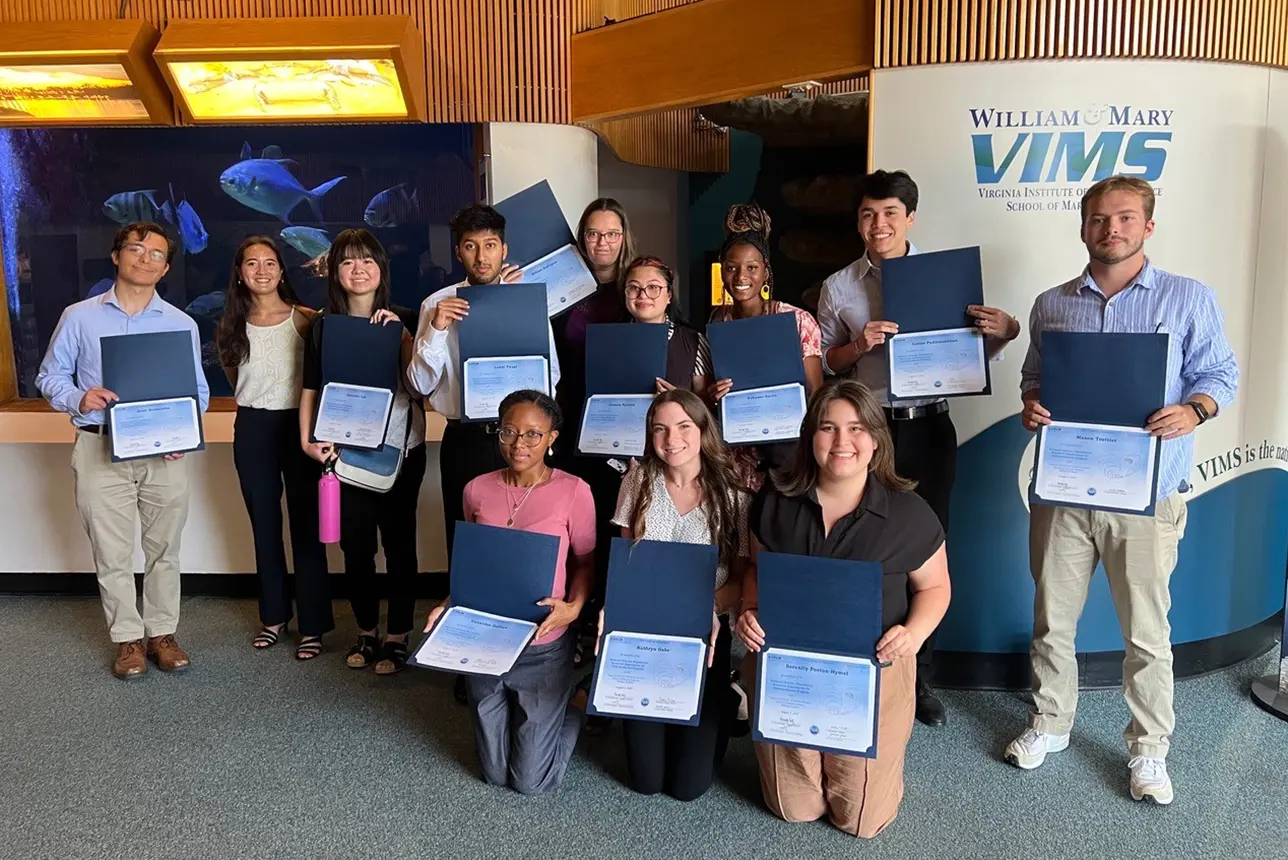
Bethany Smith (Associate Director, Formal Education)For this particular research and in our chapter "Shaping Scientific Literacy," one of the questions that interested us is how young people picture scientists — and whether those perceptions change after they have the chance to meet and learn from real researchers. To explore that question, we used a modified version of the Draw a Scientist Test (DAST), originally developed by David Chambers in 1983. We adapted it specifically for our program and called it the Draw-A-Marine-Scientist Test (DAMST). 

During both a pre- and post-test, students received a blank sheet of paper and were asked to imagine they were visiting a marine scientist at work. They were instructed to draw the scientist in action and include as many details as possible: what the scientist looked like, what they were doing, the tools they were using, what surrounded them, and where they were working. Evaluating the drawings and words that came to mind when they looked at a scientist gave us a window into how students' perceptions of marine scientists changed over time. 

We were also interested in how students saw themselves. To measure scientific self-identity, we calculated the percentage of students who agreed with the statement, "You are a scientist." Because many of our rising ninth-grade students return the following summer as rising tenth graders, we had a unique opportunity to examine longer-term changes across two complete pre- and post-program cycles. Over time, students' ideas about what marine scientists do became broader, more realistic and more inclusive. 

high-school-programs-row-photo.webp

"Conversations with several students reinforced something I've long believed: Sometimes the most meaningful outcome isn't just learning new science — it's realizing that there is a place for you in it."

 - Bethany Smith

How scientists catch sharks for science

What opportunities for situated learning exist through VIMS & the Batten School for community members, and how do we define and measure success in those programs? 


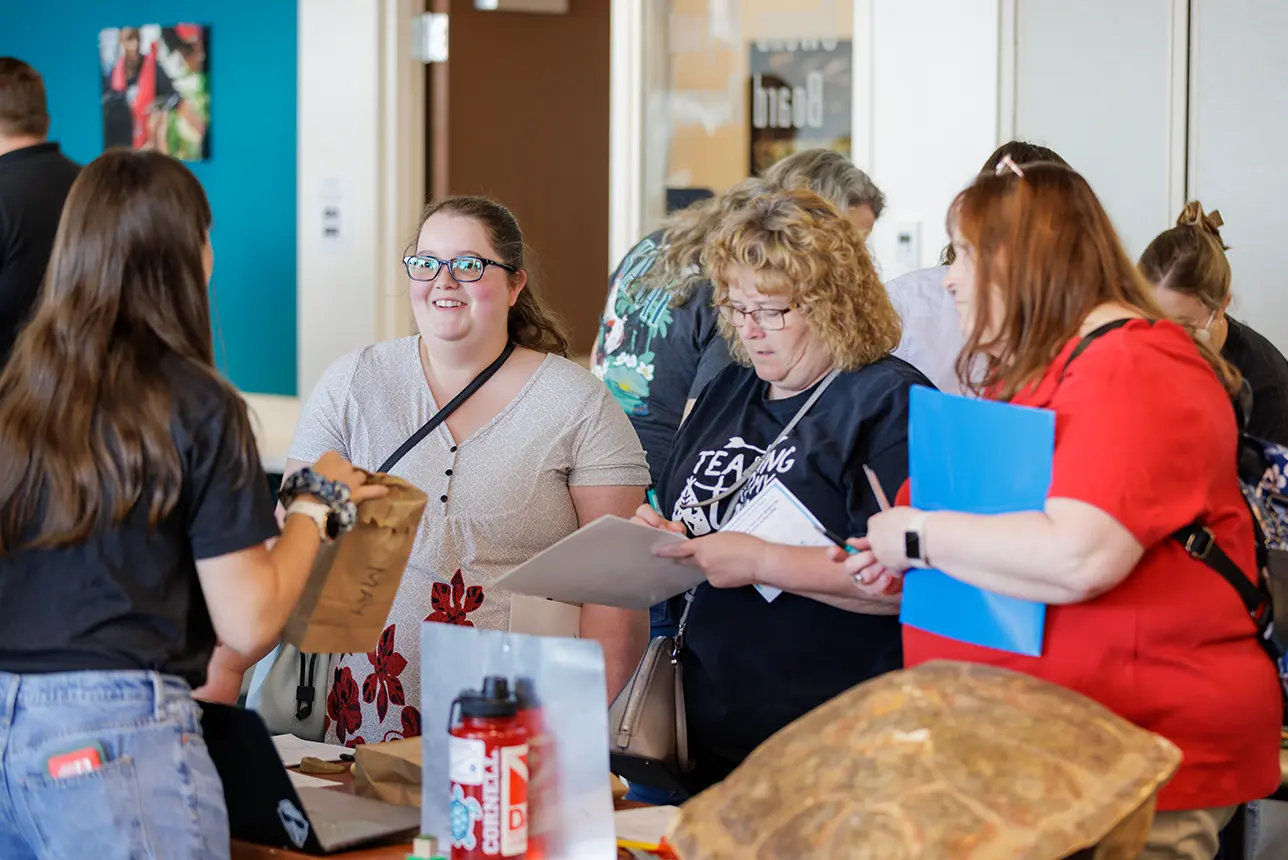
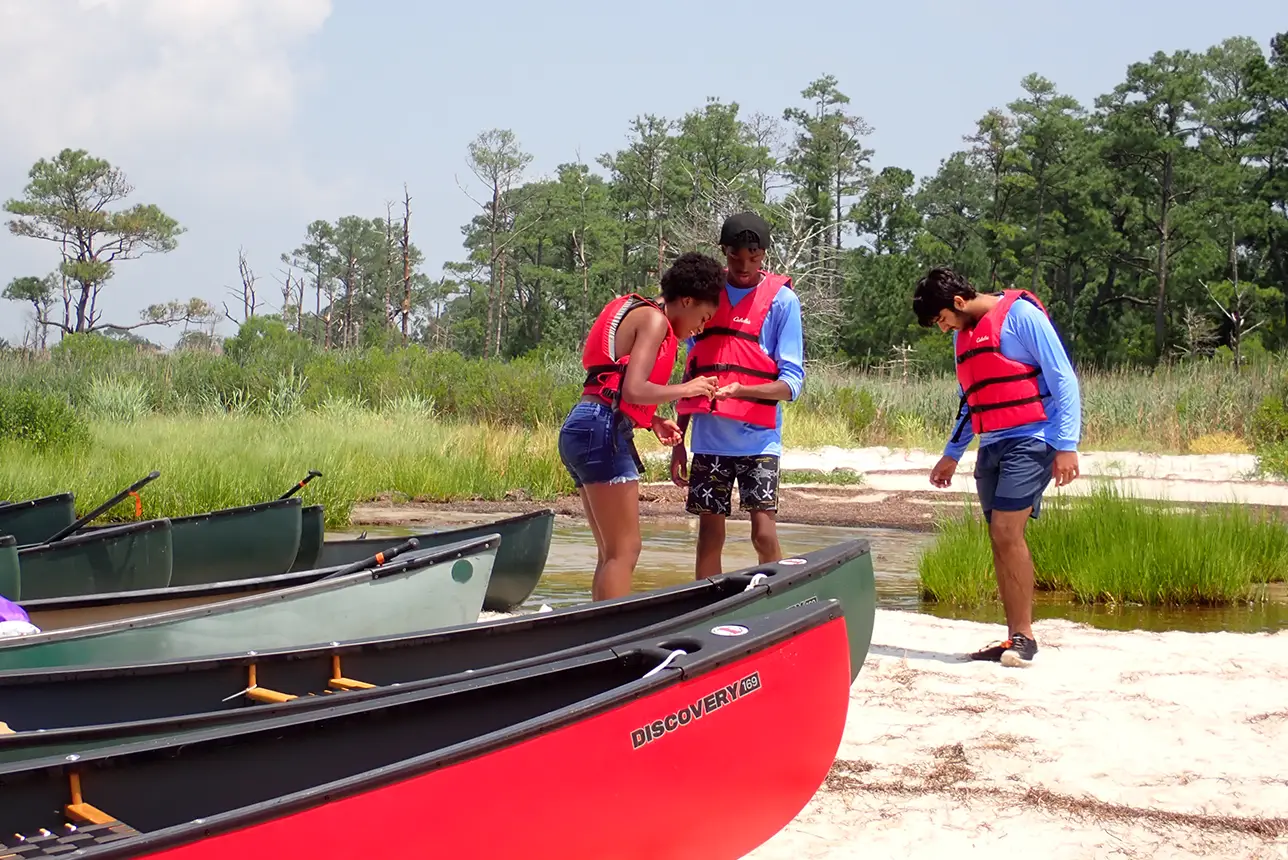
Sarah Nuss: Situated learning is at the core of many VIMS & Batten School outreach programs. We provide opportunities for learners of all ages to engage directly with marine science through summer camps, K–12 field experiences, teacher professional development and community events. Many of these experiences place participants alongside scientists or simulate the work of scientists, giving them opportunities to collect data, use scientific tools, ask questions and understand how research informs decisions about coastal and marine ecosystems. 

Measuring success requires looking beyond attendance numbers. Participation is important, but we also evaluate whether programs increase scientific understanding, confidence in doing science, environmental stewardship, and interest in STEM education and careers. We collect participant feedback, assess changes in knowledge and attitudes, monitor educator implementation of classroom resources, and increasingly look for longer-term indicators such as continued engagement with marine science opportunities, persistence in STEM pathways, and the strength of partnerships we build with schools and community organizations.

public-programs-row-image.webp

"At the end of the day, our goal isn't simply to teach marine science — it's to create meaningful experiences that help people see themselves as informed decision-makers, lifelong learners, and, in some cases, future scientists."

- Sarah Nuss

How scientists catch sharks for science

VIMS & the Batten School invite everyone to discover their inner scientist. What are some key opportunities people should know about, and what can they expect to learn through them? 


Kristen Sharpe (Associate Director, Outreach and Engagement): VIMS & the Batten School’s Office of Outreach & Engagement offers a wide variety of free public events throughout the year for anyone curious about marine science or eager to learn more about our research and advisory services.

Our largest annual event is Marine Science Day, a summer open house that welcomes curious minds of all ages to meet our scientists and graduate students, tour research facilities, and discover innovative marine science through interactive demonstrations and family-friendly activities.

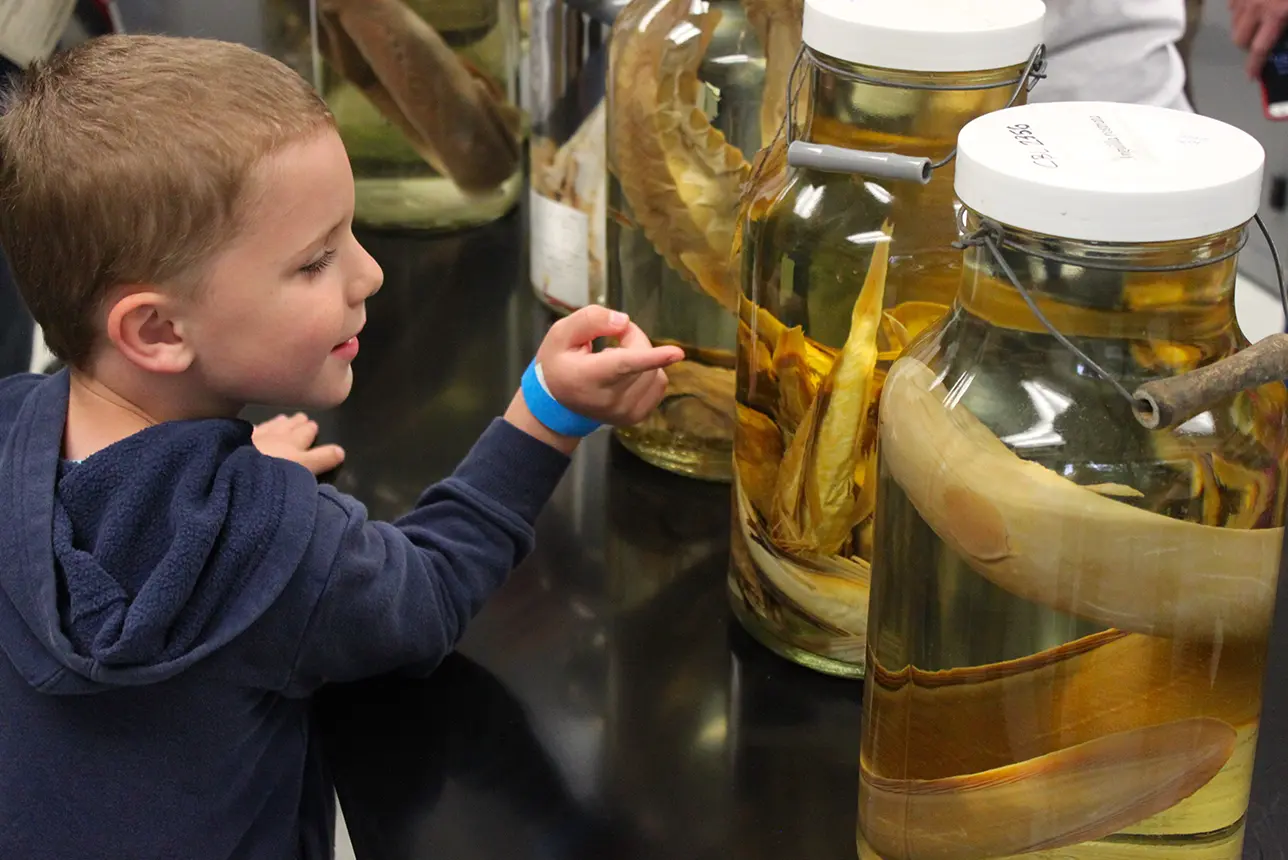
Families with elementary-aged children can enjoy our monthly Discovery Lab series, where each event focuses on a different marine or environmental science topic through hands-on activities and a short, age-appropriate presentation given by a subject matter expert.

For older children (middle school and up) and adults, our monthly After Hours lecture series offer an opportunity to hear directly from Batten School & VIMS faculty, staff and students as they share the latest discoveries and advances in coastal and marine science.

Adults and older children (12+) may also get a behind-the-scenes look at our campus by joining one of our guided public tours. Tours are offered weekly on Fridays during the summer and monthly throughout the rest of the year, providing a closer look at several of our laboratories and research facilities.

Explore Outreach & Education Programs

Our outreach activities and place-based learning opportunities for school groups, teachers, political leaders and the public reach more than 30,000 people each year. Click to learn more about these programs.